Weekend Heritage Getaways from Mangalore
From Mangaluru’s city history and coastal Jain architecture to Western Ghats forts and the UNESCO Hoysala circuit at Belur and Halebid.
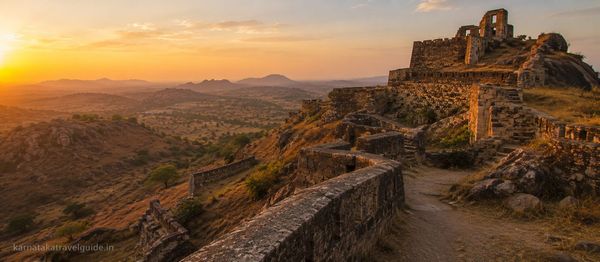
Weekend Heritage Getaways from Mangalore
Illustrative AI image of the region.
Quick Picks — Which Heritage Weekend Suits You?
Choose by the kind of history you want: city heritage, Jain architecture, military forts or a major Hoysala weekend.
The short answer: St Aloysius is the easiest city heritage stop, Karkala is the strongest Jain heritage town, Manjarabad is the most distinctive fort, and Belur–Halebid is the best complete one-night heritage circuit.
Best city heritage stop
St Aloysius Chapel
~1 km · murals & city historyBest Jain heritage town
Karkala
~50–55 km · Bahubali + basadisMost distinctive fort
Manjarabad Fort
~125–130 km · star fortBest major heritage weekend
Belur + Halebid
~152–168 km · UNESCO HoysalaMangalore City & Coastal History
Compact heritage stops where Mangaluru’s religious, military and coastal history can be understood without a long drive.
St Aloysius Chapel
St Aloysius Chapel is the easiest serious heritage stop in central Mangaluru and works well even when you have only a short window in the city. Its importance lies less in scale and more in the interior art and the story of the institution around it. For travellers starting a Mangalore heritage day, this is a natural first stop before moving toward Sultan Battery or the coastal history around Ullal and Someshwara. Our wider Mangaluru guide is linked below for the rest of the city context.
Sultan Battery
Sultan Battery gives Mangaluru a compact military-history stop on the Gurupura riverfront. The surviving structure is modest compared with a hill fort, but its value comes from understanding why this stretch of the river mattered strategically in the Tipu Sultan period. It works best as part of a city heritage route rather than as a stand-alone attraction, especially when combined with the nearby ferry-and-river landscape.
Someshwara & Queen Abbakka Legacy
Someshwara adds a coastal-history layer that is easy to miss if the area is treated only as a beach stop. The historic temple, rocky shoreline and the wider Ullal–Queen Abbakka story connect this part of the coast to one of Tulu Nadu’s most important resistance narratives. The experience works best when the traveller approaches the beach and temple as part of a larger regional story rather than as two unrelated attractions. It is a strong half-day heritage crossover from Mangaluru.
Jain, Alupa & Coastal Heritage from Mangalore
Moodbidri, Karkala, Venur, Manipal, Barkur, Suralu and Basrur reveal the deeper architectural and trading history of coastal Karnataka.
Thousand Pillar Basadi, Moodbidri
Moodbidri’s Thousand Pillar Basadi is one of the most important architectural stops on the entire coastal heritage route. The temple belongs here not simply because it is old, but because the carved pillars and Jain sacred tradition represent a distinct architectural language from the Hindu temple towns around Mangaluru and Udupi. It is close enough for a focused half-day trip, yet history-minded travellers can easily spend longer exploring the wider Jain quarter.
Karkala Jain Heritage
Karkala is the strongest complete Jain heritage town within an easy day-trip radius of Mangaluru. The Bahubali monolith, Chaturmukha Basadi and other Jain monuments work together as a heritage cluster rather than a single landmark. That concentration makes Karkala more rewarding than a quick photo stop and gives travellers enough material for a proper half-day exploration. Our detailed Karkala guide is linked below.
Venur Gomateshwara
Venur offers a quieter Jain heritage experience than Karkala, centred on the Gomateshwara monolith and the surrounding basadi tradition. It works particularly well for travellers interested in comparing the different Bahubali sites of coastal Karnataka rather than visiting only the largest or most famous one. Because Venur sits within the same wider Jain geography as Moodbidri and Karkala, the three can be combined selectively into a strong specialist heritage day.
Hasta Shilpa Heritage Village, Manipal
Hasta Shilpa is one of the most differentiated heritage experiences on this page because the focus is not a single monument. The heritage village brings together restored traditional houses, architectural elements, artefacts and material culture from different parts of Karnataka. It is especially useful for travellers who want to understand how people lived, built and decorated their homes rather than only studying royal or religious architecture. Manipal also makes it easy to combine this with Udupi-side sightseeing.
Barkur
Barkur is one of the most valuable lesser-known heritage stops from Mangaluru because the history is spread across an entire old settlement rather than concentrated in one polished monument. Once an important Alupa centre and coastal port, the area still preserves temples, basadis, fort remains and traces of its earlier urban importance. This is best for travellers who enjoy archaeology and layered local history; it is not a conventional attraction where everything is presented in one compound.
Suralu Palace
Suralu Palace adds a rare domestic-and-royal layer to the coastal heritage circuit. The surviving palace is significant for its use of mud, wood and brick and for preserving a form of regional architecture that feels completely different from forts and stone temples. Because this is a smaller heritage property rather than a mass-tourism monument, current visiting access should be checked before making it the sole purpose of the day. It combines naturally with Barkur and the Brahmavara side.
Basrur
Basrur is a specialist heritage choice for travellers interested in the old trading settlements of coastal Karnataka. The town’s importance comes from its history as a port-and-temple centre and from the older religious sites that survive in and around the settlement. It is less immediately legible than Karkala or Barkur, so the visit rewards travellers who arrive with some historical context rather than expecting a single major monument. Combine it with Kundapura-side stops for a fuller day.
Forts & Western Ghats Heritage from Mangalore
Three very different fort experiences — a demanding hill climb, a geometric star fort and a forested Keladi-era ruin.
Jamalabad Fort
Jamalabad is the closest substantial fort experience from Mangaluru, but it is also the most physically demanding of the shorter heritage trips. The ruined hill fort is tied to the Tipu Sultan period, and the climb is a major part of the experience rather than an incidental walk from a car park. That makes it ideal for active history travellers, but less suitable for anyone looking for an easy monument visit. Start early and allow enough time for both the ascent and the fort itself.
Manjarabad Fort
Manjarabad is the most distinctive military-architecture stop in this Mangalore heritage set. Built on the Sakleshpur side of the Western Ghats, the fort’s eight-pointed star plan immediately separates it from the more conventional hill forts of the region. The drive is long enough that it works better as part of a Sakleshpur heritage-and-hills weekend than as a single-purpose return trip. Our Sakleshpur guide is linked below because the fort is one of that destination’s defining landmarks.
Kavaledurga Fort
Kavaledurga combines fort history with a forested hill climb, making it very different from an urban monument or roadside fort. The ruined fort complex sits high above the Thirthahalli landscape, so the visit needs time, walking ability and a reasonably early start. At about 133 km from Mangaluru, it belongs in the longer-weekend category despite being well within the 200 km rule. Travellers who dislike trekking should choose Manjarabad or the Hoysala circuit instead.
Belur & Halebid — Major Hoysala Heritage Weekend
The outer heritage circuit on this page, best planned as a one-night or two-day trip rather than a hurried same-day return.
Belur
Belur is the strongest major architectural weekend at the outer edge of the Mangalore heritage radius. The Chennakeshava Temple is part of the UNESCO-listed Sacred Ensembles of the Hoysalas and rewards slow looking: sculpture, narrative friezes and architectural detail matter far more than simply ticking off the monument. From Mangaluru, Belur is best planned with Halebid as a one-night or two-day circuit. Our detailed guide and the relevant KSTDC Mayura stay are linked directly below.
Halebid
Halebid should be paired with Belur, but it should not be treated as a duplicate version of the same heritage experience. The Hoysaleswara complex has a different scale, sculptural density and historical atmosphere, and it forms another component of the UNESCO-listed Sacred Ensembles of the Hoysalas. At about 168 km from Mangaluru, a one-night circuit is far more sensible than rushing both towns into a same-day return. The detailed Halebid guide and KSTDC stay page are linked below.
Heritage Getaways by Approximate Road Distance
Use these as planning figures from central Mangaluru. Exact distance varies by starting point, route and the specific monument entrance.
Explore More Weekend Getaways from Mangalore
Nature Getaways from Mangalore
Waterfalls, rainforest, Western Ghats drives, trekking and longer hill-country escapes.
Explore NatureWildlife Getaways from Mangalore
Rainforest biodiversity, protected forests, JLR nature camps and Bhadra safari weekends.
Explore WildlifeBeach Getaways from Mangalore
Mangaluru city beaches, Udupi coast, Malpe, St Mary’s Island, Maravanthe and Murudeshwar.
Explore BeachesPilgrimage Getaways from Mangalore
City shrines, Jain pilgrimage, Udupi, Dharmasthala, Kukke, Sringeri, Horanadu and Kollur.
Explore PilgrimagePlanning a Heritage Weekend from Mangalore — FAQs
We prepare every guide with care and make every effort to keep distances, monument information and travel details accurate. Museum hours, monument access, local arrangements, restoration work and road conditions can change, and occasional errors may occur despite our checks. Any such inaccuracy is entirely unintentional. If you notice something that needs correction, please let us know and we will review it promptly.