Two Waterfalls, One Genuine Safety Warning
Gaganachukki and Barachukki aren't the same visit — different access, different risk levels, and one of them has a real accident history worth knowing before you go.
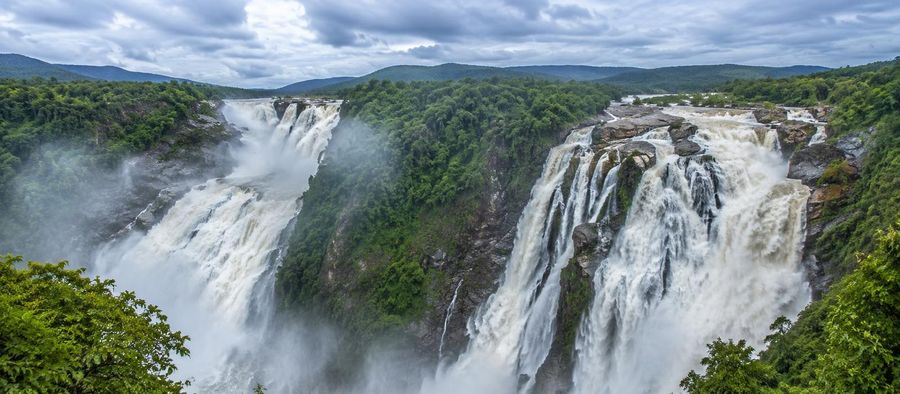
Shivanasamudra Falls
Illustrative AI image of the region.
Is Shivanasamudra Worth Visiting?
Yes, especially during or just after monsoon (roughly June to September), when both falls run at full force and the raw scale of the water is genuinely impressive. No, if you're visiting in peak summer expecting a dramatic waterfall — flow can drop noticeably outside monsoon months.
Two Falls, Two Different Visits
The River Kaveri splits around Shivanasamudra Island, forming two waterfalls on opposite branches — treat them as separate stops, not one combined visit.
Gaganachukki (roughly 90m)
The taller, horseshoe-shaped falls, viewed from a distance at the Shivanasamudra watchtower or the Darga viewpoint. This is a look-from-afar experience, not a walk-down-to-the-base one.
Barachukki (roughly 69-70m)
Wider and more accessible — around 200 fenced steps lead down to the base, with coracle rides available at the bottom. Most visitors find this the more engaging of the two to actually explore.
Asia's First Hydroelectric Power Station
Commissioned in 1902 at this exact site — one of the earliest hydroelectric stations in Asia. The station itself isn't open to the public, but it's a genuinely interesting piece of context for what you're looking at.
Where to Stay
Hotel Mayura Bharachukki, Shivanasamudra
An 8-minute walk from Barachukki Falls, with a small mix of room types including AC doubles, a suite, and deluxe rooms with balconies. A garden, terrace, and on-site restaurant with bar round out a straightforward, no-frills base close to the falls.
View This KSTDC HotelWhere to Eat
Beyond the Mayura Bharachukki's own restaurant, dining options directly at the falls are limited to small local stalls — fine for snacks, not a proper meal. Most day-trippers eat before or after in Kollegal or Mysuru rather than at the falls themselves.
Stay Steps from Barachukki Falls
Hotel Mayura Bharachukki is the closest stay to the falls — check availability with us before your Shivanasamudra trip.